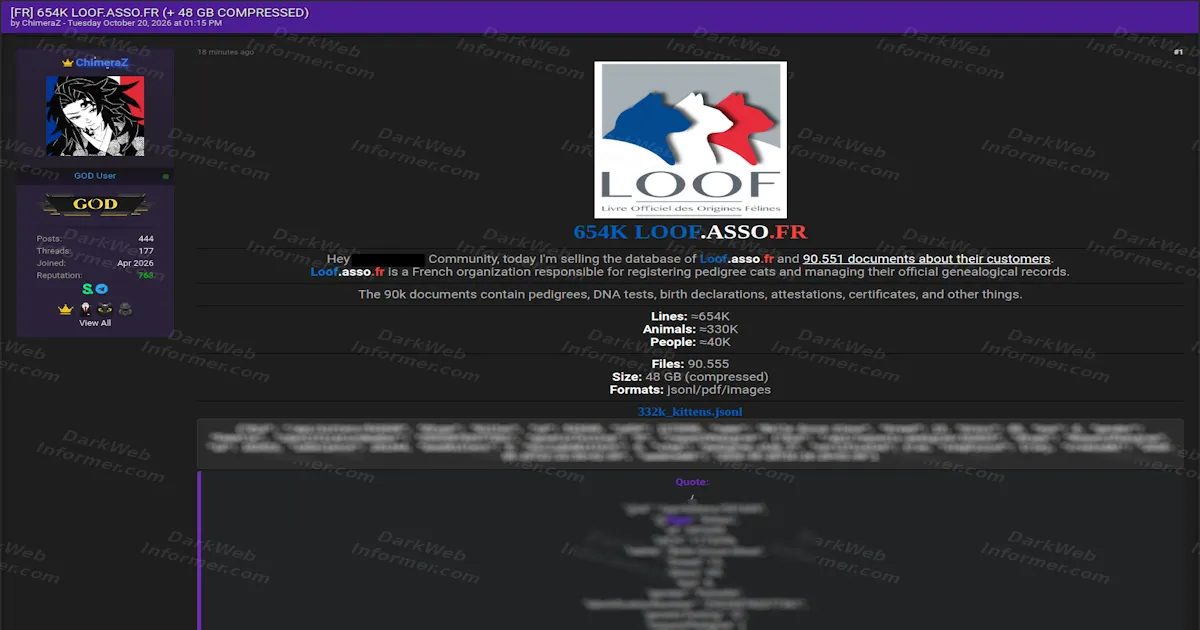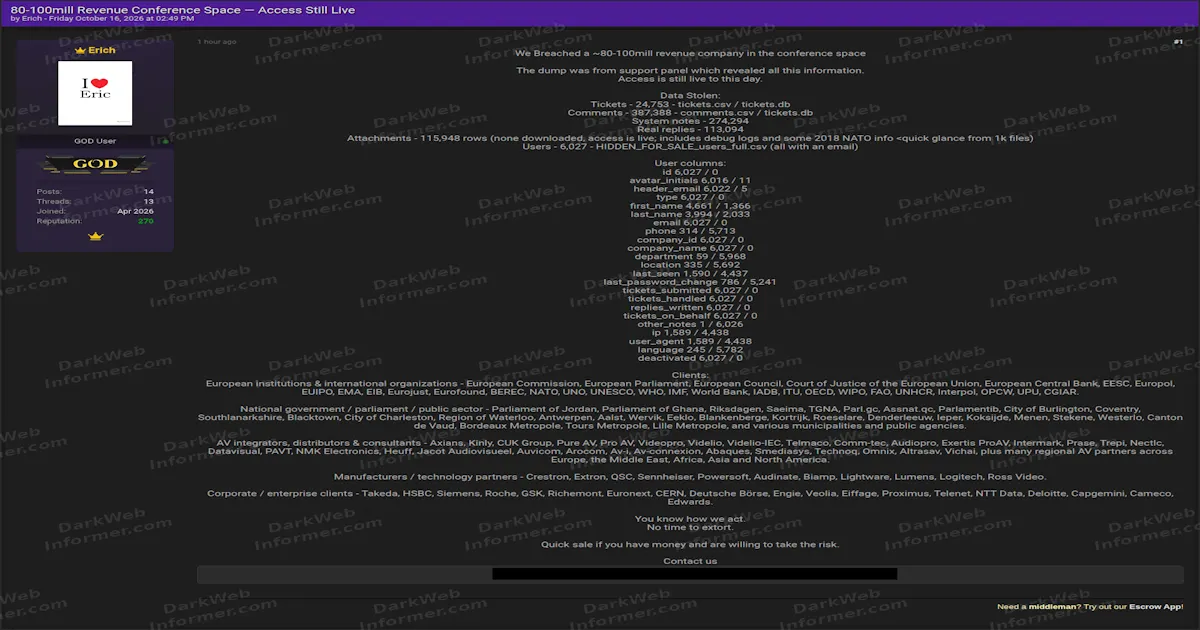
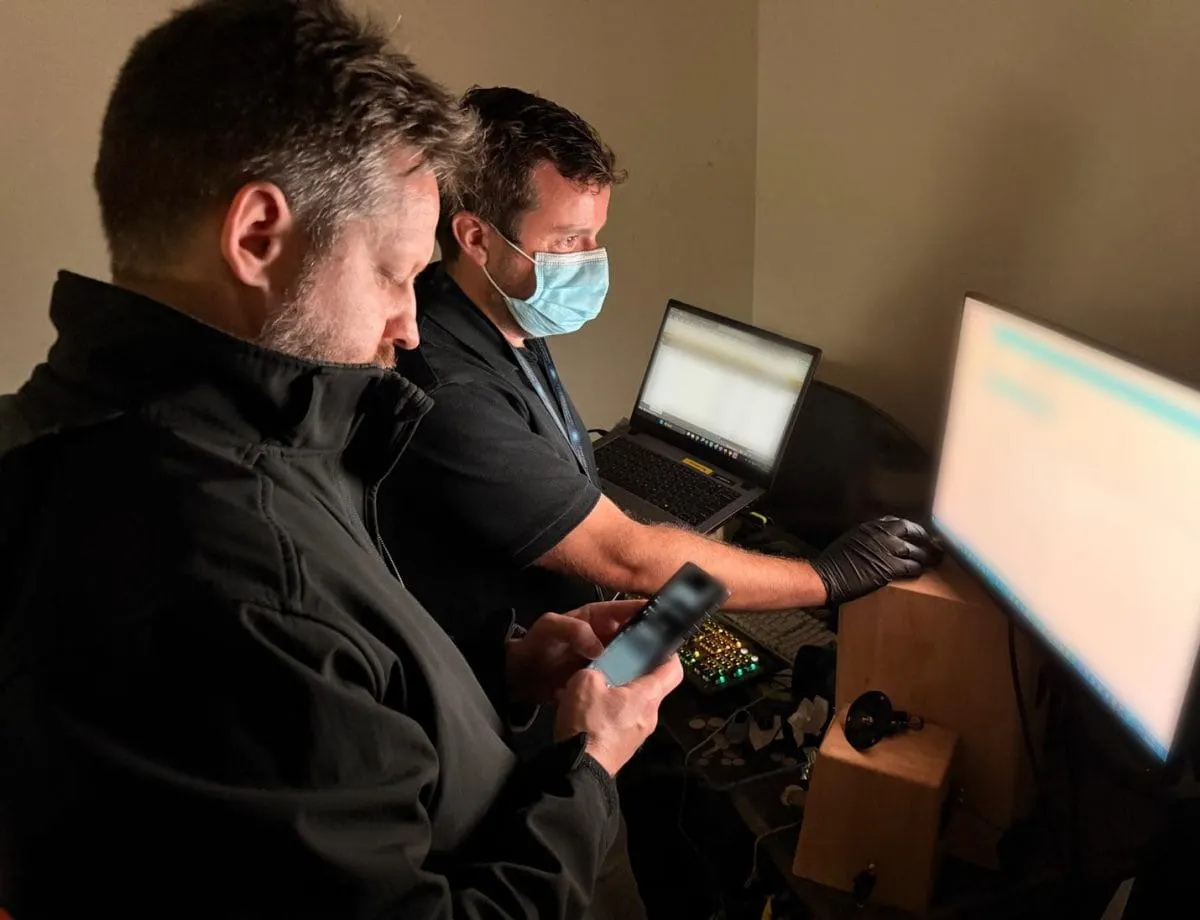
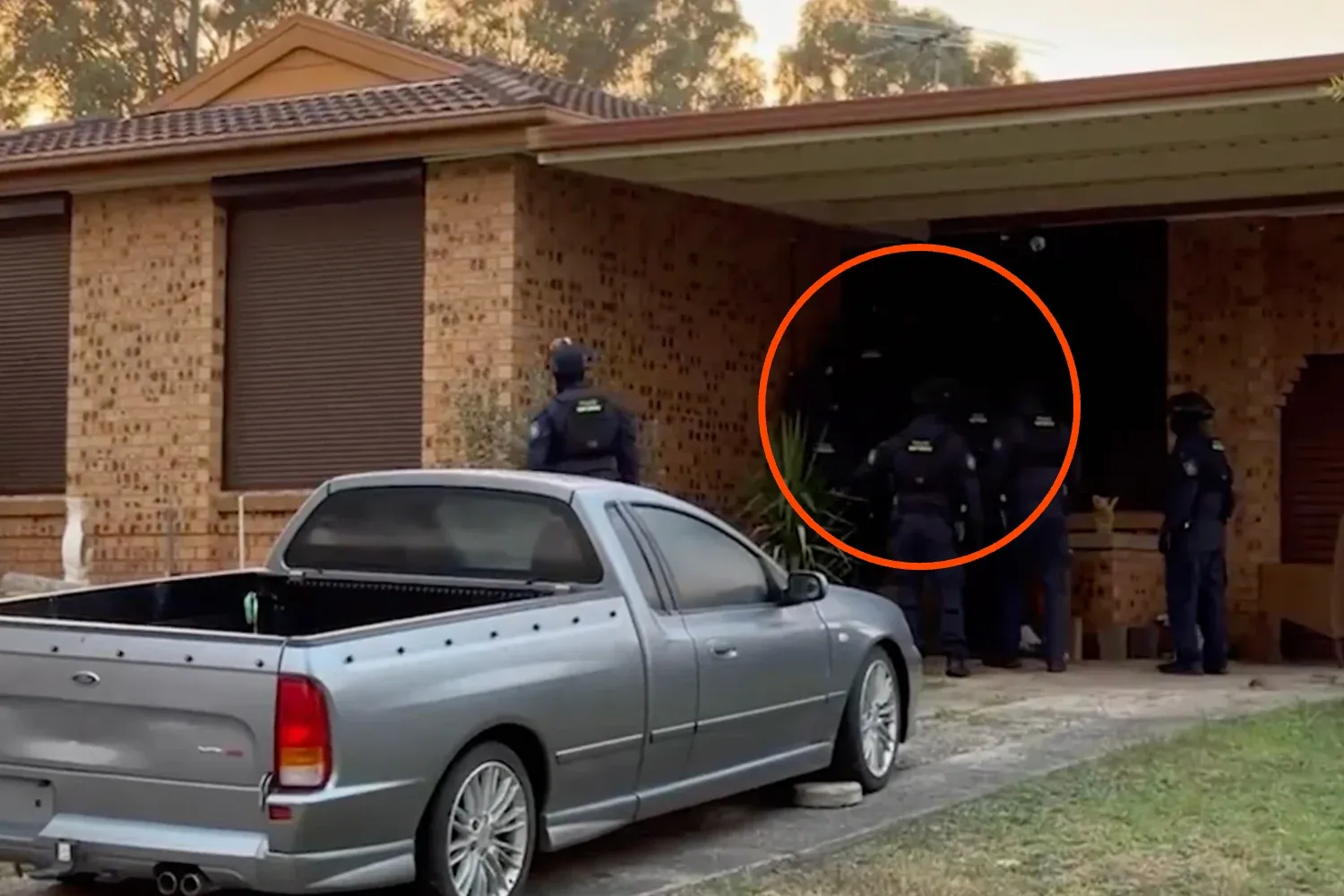
When most people picture a darknet drug bust, they imagine cinematic scenes of hooded figures and underground servers. The reality, as a New South Wales Police operation revealed this week, looks a lot more mundane: a quiet street in Sydney's southwest, a 6:40am knock on the door, and a hard drive holding the keys to a multimillion-dollar bitcoin wallet.
On Monday 4 May 2026, Cybercrime Squad detectives, backed by the Public Order and Riot Squad, executed a search warrant at a home in Ingleburn. They walked out with electronic devices containing 52.3 bitcoin, worth roughly $5.7 million at the time of seizure. According to NSW Police, it's one of the largest cryptocurrency seizures in Australian history.
A 15-month trail
The Ingleburn raid wasn't a lucky break. It was the culmination of Strike Force Andalusia, established in September 2024 to investigate a substantial bitcoin wallet that detectives suspected held proceeds from darknet marketplace activity.
The trail began on the NSW South Coast. In May 2025, strike force detectives executed a warrant at a home in Surfside, near Batemans Bay, where they seized electronic devices and around 7.2 grams of cocaine. Forensic analysis of those devices turned up a smaller stash of about $47,000 in cryptocurrency, and more importantly, leads pointing to two men, aged 39 and 41, who allegedly had access to a much larger wallet (Inside State Government).
A 39-year-old man was arrested and charged at Batemans Bay with serious offences including dealing with the proceeds of crime over $5 million, supplying a prohibited drug, and failing to comply with a digital evidence access order. The 41-year-old was separately charged in connection with an alleged crypto transfer of more than $100,000 and is due to face Campbelltown Local Court.
What followed was nearly a year of further investigation, including wallet tracing, forensic work on seized devices, and the patient process of linking on-chain activity to real-world identities, before detectives moved on the Ingleburn property and recovered the bulk of the bitcoin (Mirage News).
"Not anonymous"
The message from police was pointed. Detective Superintendent Matt Craft, who commands the State Crime Command's Cybercrime Squad, framed the seizure as a direct rebuttal to the persistent myth that darknet activity is untraceable. He said criminals on the darknet often believe they're beyond the reach of law enforcement, but the investigation shows otherwise, and described darknet marketplaces as a key enabler of serious criminal activity that detectives are actively targeting (NSW Police statement).
It's a fair claim to make. Bitcoin's public ledger means every transaction is recorded forever, and forensic blockchain analysis has matured rapidly over the last decade. Combine that with the very ordinary mistakes people make, like reusing wallets, mixing personal and illicit activity, or leaving keys on devices that get seized in unrelated raids, and "anonymous" starts looking more like "anonymous until someone bothers to look."
What this signals
A few things stand out about this case beyond the headline number.
First, the patience of the investigation. Fifteen months from strike force formation to the major seizure is a serious commitment of resources for a state-level cybercrime unit, and suggests NSW Police see darknet enforcement as worth the long game.
Second, the physical-digital handoff. The case didn't crack because of some elegant blockchain exploit. It cracked because police walked into a house and took the devices. Operational security on the darknet often fails not in code but in the kitchen drawer.
Third, the timing of the asset. Bitcoin seized at $5.7 million in May 2026 may be worth substantially more or less by the time matters resolve in court. Australian proceeds-of-crime law has had to evolve quickly to handle volatile digital assets, and cases like this will keep stress-testing those frameworks.
What's next
Strike Force Andalusia remains active. The 39-year-old is next due in Batemans Bay Local Court on 15 June 2026, and the 41-year-old is scheduled for Campbelltown Local Court next Wednesday. NSW Police have asked anyone with information about organised criminal activity to contact Crime Stoppers on 1800 333 000 or via nsw.crimestoppers.com.au.
For everyone else, the takeaway is straightforward: the romantic notion of an untouchable darknet economy is getting harder to defend. The wallet may live on the blockchain, but the person holding the keys still lives at an address.
Sources
- NSW Police Force, Cybercrime Squad detectives seize $5.7 million in cryptocurrency following an investigation into darknet market dealings
- Inside State Government, NSW Police seize $5.7 million in darknet cryptocurrency
- Yahoo News Australia, $5.7 million discovery in suburban home in major Australian police bust: 'One of the biggest'
- Mirage News, Cybercrime Bust: Detectives Seize $5.7M in Crypto