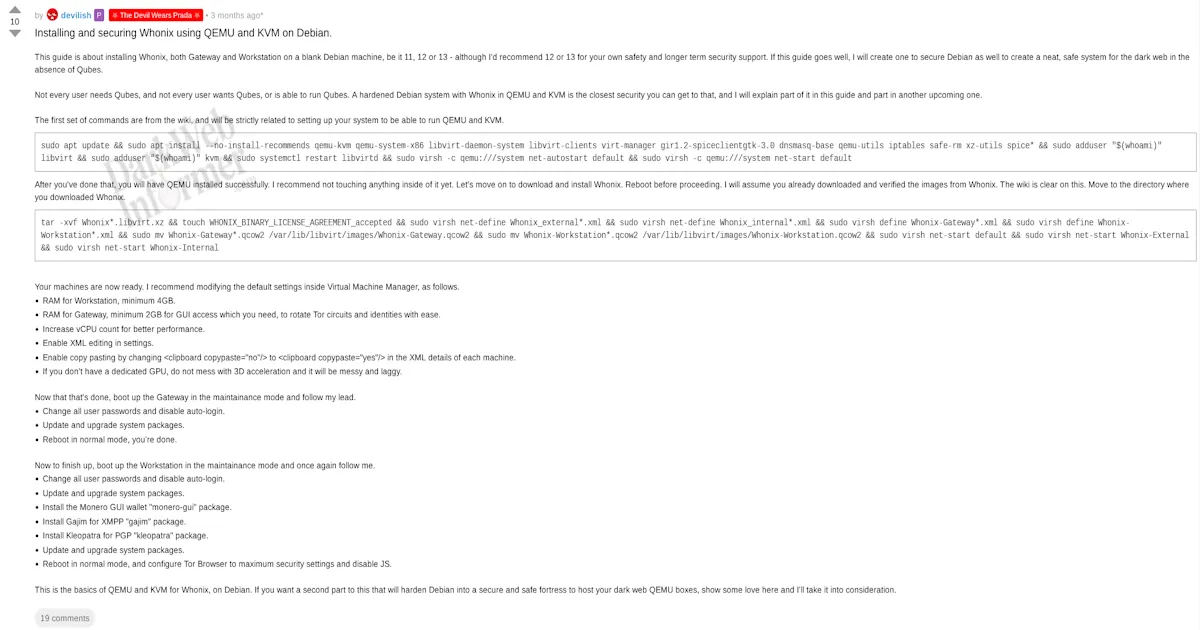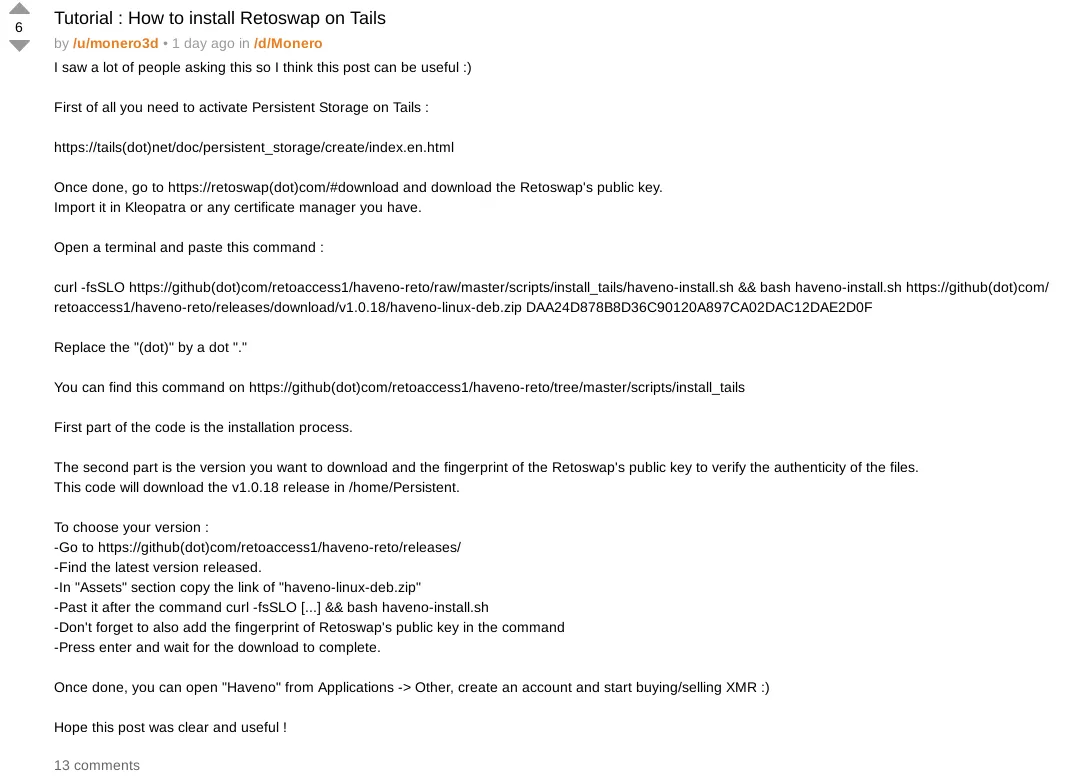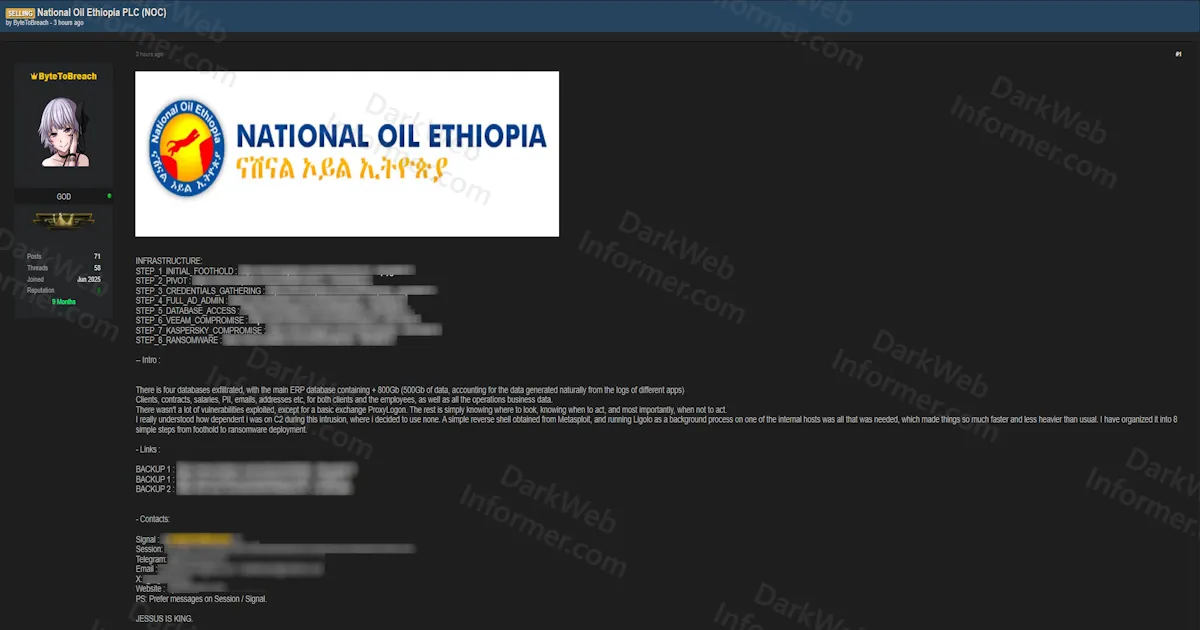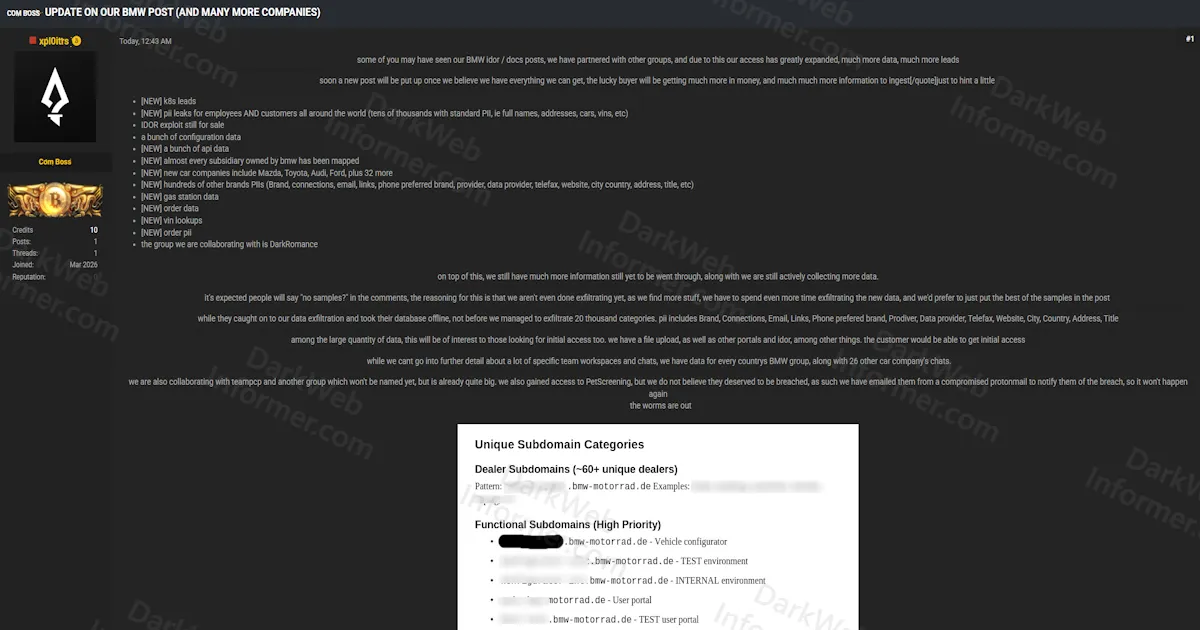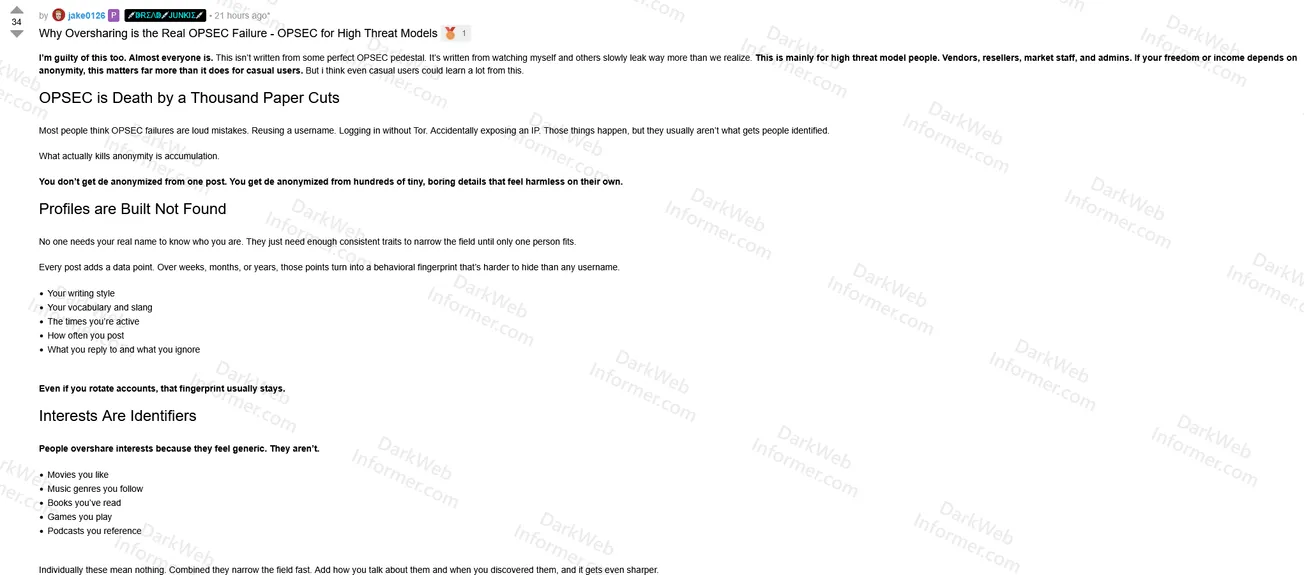
This is a 1:1 copy from Dread user /u/jake0126. The original post can be found on Dread at: https://dreadytofatroptsdj6io7l3xptbet6onoyno2yv7jicoxknyazubrad.onion/post/a9dd03e88e92dfc0715c. The screenshots from the post are at the bottom of this page.
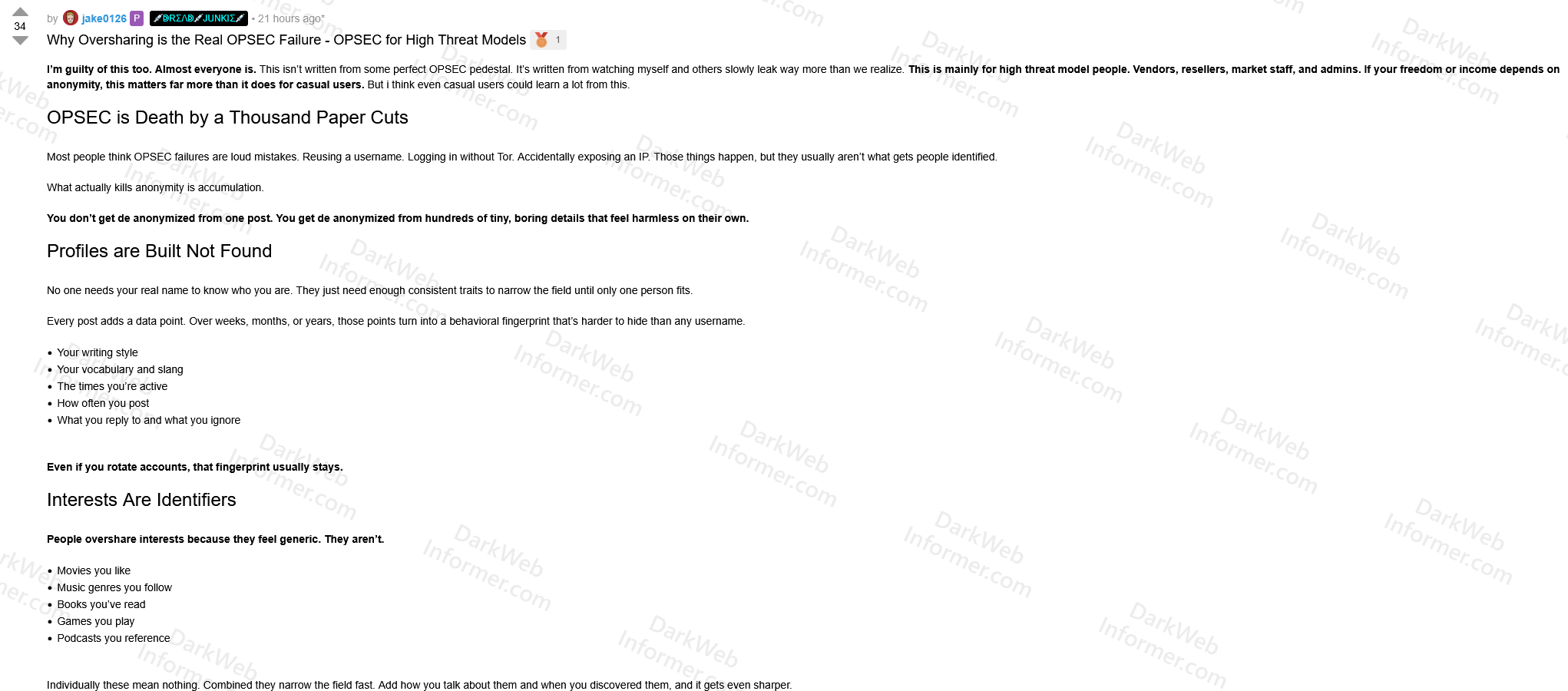
I’m guilty of this too. Almost everyone is. This isn’t written from some perfect OPSEC pedestal. It’s written from watching myself and others slowly leak way more than we realize. This is mainly for high threat model people. Vendors, resellers, market staff, and admins. If your freedom or income depends on anonymity, this matters far more than it does for casual users. But i think even casual users could learn a lot from this.
OPSEC is Death by a Thousand Paper Cuts
Most people think OPSEC failures are loud mistakes. Reusing a username. Logging in without Tor. Accidentally exposing an IP. Those things happen, but they usually aren’t what gets people identified.
What actually kills anonymity is accumulation.
You don’t get de anonymized from one post. You get de anonymized from hundreds of tiny, boring details that feel harmless on their own.
Profiles are Built Not Found
No one needs your real name to know who you are. They just need enough consistent traits to narrow the field until only one person fits.
Every post adds a data point. Over weeks, months, or years, those points turn into a behavioral fingerprint that’s harder to hide than any username.
- Your writing style
- Your vocabulary and slang
- The times you’re active
- How often you post
- What you reply to and what you ignore
Even if you rotate accounts, that fingerprint usually stays.
Interests Are Identifiers
People overshare interests because they feel generic. They aren’t.
- Movies you like
- Music genres you follow
- Books you’ve read
- Games you play
- Podcasts you reference
Individually these mean nothing. Combined they narrow the field fast. Add how you talk about them and when you discovered them, and it gets even sharper.
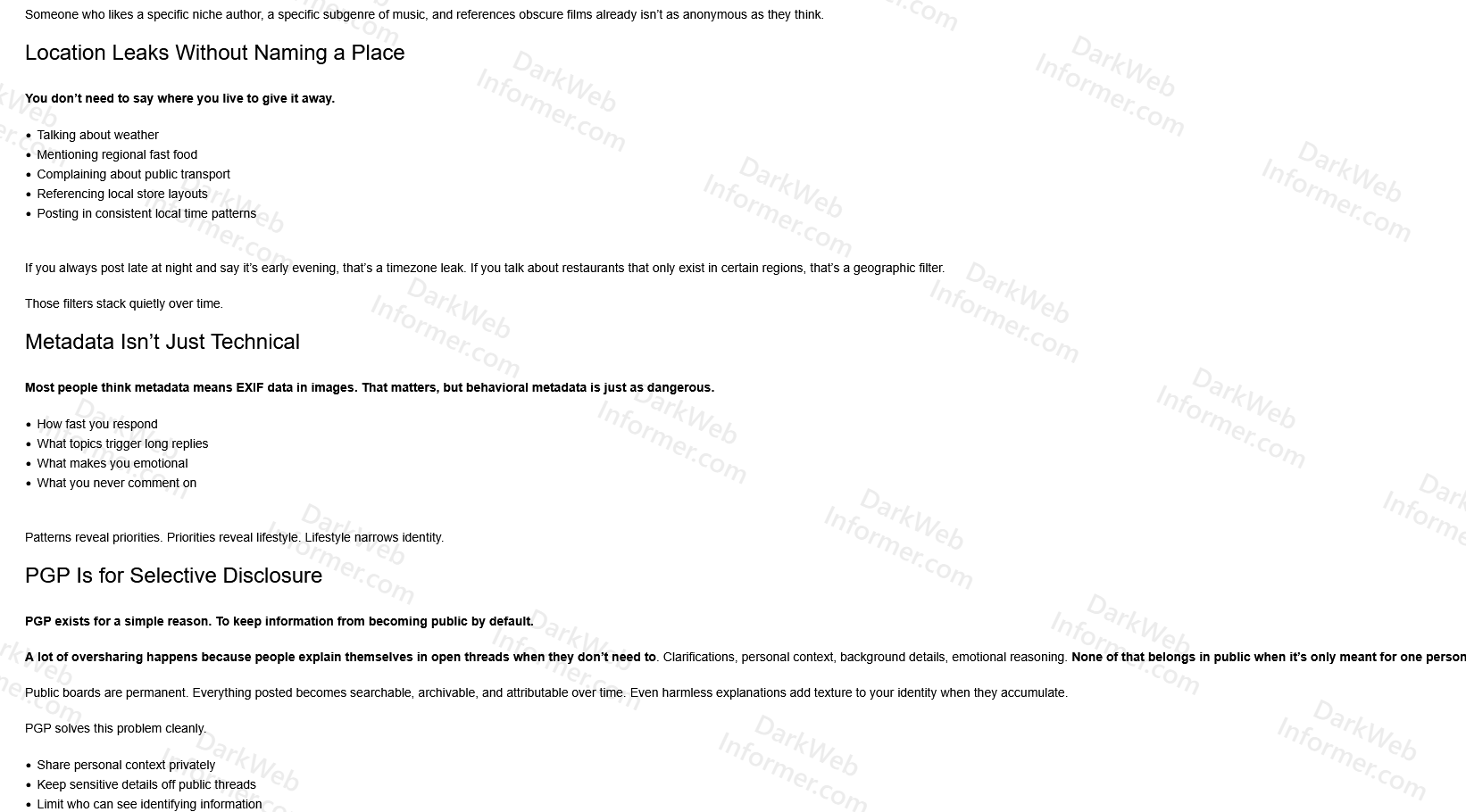
Someone who likes a specific niche author, a specific subgenre of music, and references obscure films already isn’t as anonymous as they think.
Location Leaks Without Naming a Place
You don’t need to say where you live to give it away.
- Talking about weather
- Mentioning regional fast food
- Complaining about public transport
- Referencing local store layouts
- Posting in consistent local time patterns
If you always post late at night and say it’s early evening, that’s a timezone leak. If you talk about restaurants that only exist in certain regions, that’s a geographic filter.
Those filters stack quietly over time.
Metadata Isn’t Just Technical
Most people think metadata means EXIF data in images. That matters, but behavioral metadata is just as dangerous.
- How fast you respond
- What topics trigger long replies
- What makes you emotional
- What you never comment on
Patterns reveal priorities. Priorities reveal lifestyle. Lifestyle narrows identity.
PGP Is for Selective Disclosure
PGP exists for a simple reason. To keep information from becoming public by default.
A lot of oversharing happens because people explain themselves in open threads when they don’t need to. Clarifications, personal context, background details, emotional reasoning. None of that belongs in public when it’s only meant for one person.
Public boards are permanent. Everything posted becomes searchable, archivable, and attributable over time. Even harmless explanations add texture to your identity when they accumulate.
PGP solves this problem cleanly.
- Share personal context privately
- Keep sensitive details off public threads
- Limit who can see identifying information
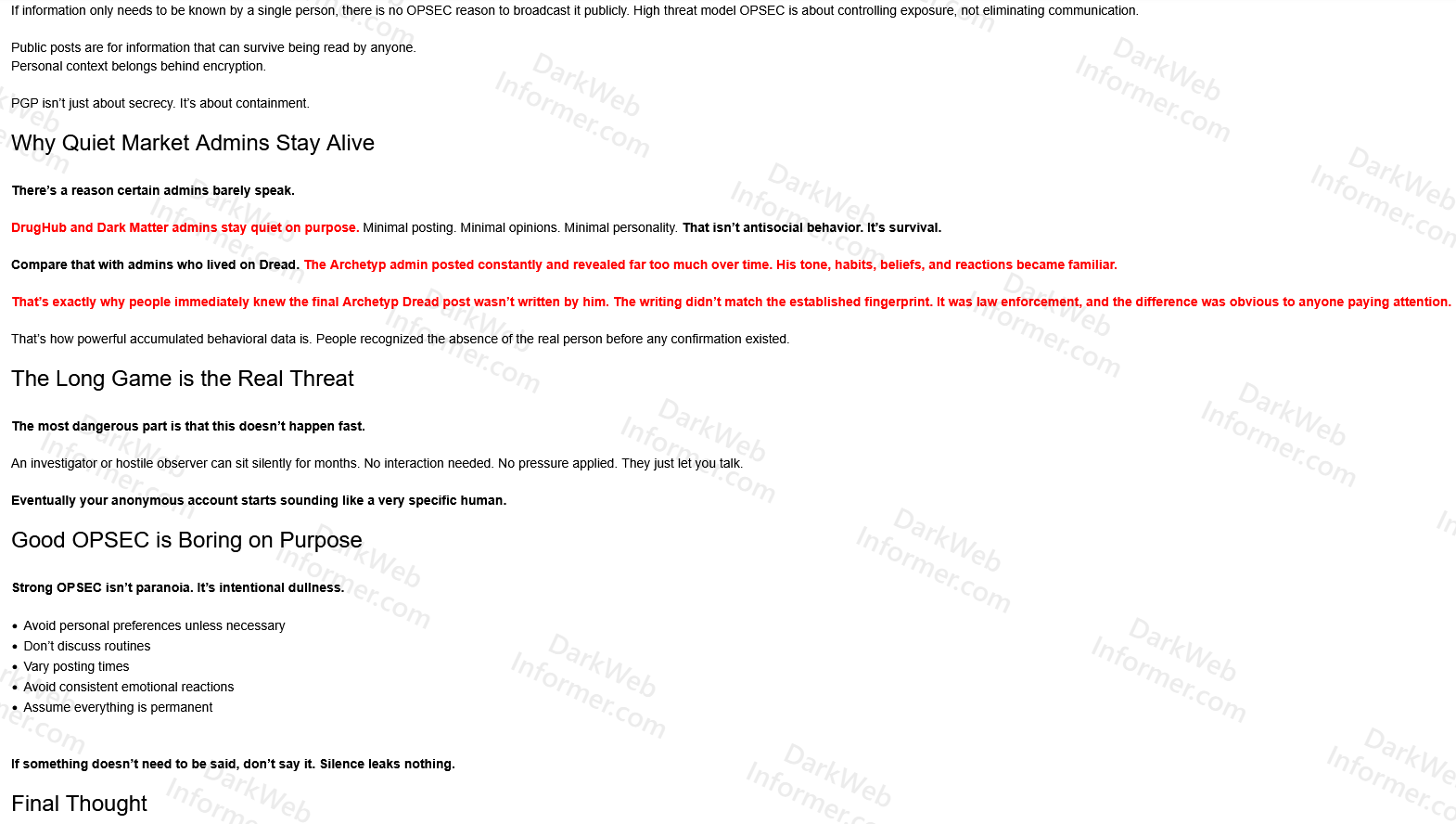
If information only needs to be known by a single person, there is no OPSEC reason to broadcast it publicly. High threat model OPSEC is about controlling exposure, not eliminating communication.
Public posts are for information that can survive being read by anyone.
Personal context belongs behind encryption.
PGP isn’t just about secrecy. It’s about containment.
Why Quiet Market Admins Stay Alive
There’s a reason certain admins barely speak.
DrugHub and Dark Matter admins stay quiet on purpose. Minimal posting. Minimal opinions. Minimal personality. That isn’t antisocial behavior. It’s survival.
Compare that with admins who lived on Dread. The Archetyp admin posted constantly and revealed far too much over time. His tone, habits, beliefs, and reactions became familiar.
That’s exactly why people immediately knew the final Archetyp Dread post wasn’t written by him. The writing didn’t match the established fingerprint. It was law enforcement, and the difference was obvious to anyone paying attention.
That’s how powerful accumulated behavioral data is. People recognized the absence of the real person before any confirmation existed.
The Long Game is the Real Threat
The most dangerous part is that this doesn’t happen fast.
An investigator or hostile observer can sit silently for months. No interaction needed. No pressure applied. They just let you talk.
Eventually your anonymous account starts sounding like a very specific human.
Good OPSEC is Boring on Purpose
Strong OPSEC isn’t paranoia. It’s intentional dullness.
- Avoid personal preferences unless necessary
- Don’t discuss routines
- Vary posting times
- Avoid consistent emotional reactions
- Assume everything is permanent
If something doesn’t need to be said, don’t say it. Silence leaks nothing.
Final Thought
You don’t lose anonymity in one mistake. You lose it by slowly teaching strangers who you are.
Every detail feels harmless because it is harmless alone. The danger is what it becomes when combined with everything else you’ve already shared.
OPSEC isn’t about hiding secrets. It’s about never giving anyone enough pieces to finish the puzzle.