What's Actually in an
Anti-Kidnapping Kit
A Guide for High-Risk Individuals
Who Actually Needs One?
Before diving into gear lists, it's worth being honest about who faces genuine kidnapping risk. Certain professions and situations carry statistically elevated exposure:
- Investigative journalists covering cartels, dark web marketplaces, or political corruption
- Corporate executives traveling to high-risk regions // Latin America, West Africa, parts of Southeast Asia
- OSINT researchers and threat intelligence professionals whose work draws attention from criminal actors
- Aid workers and NGO staff operating in conflict zones
- High-net-worth individuals with public social media presence signaling wealth
- Anyone seriously doxxed // home address, family info, and daily routine all exposed
If you fall into any of these categories, building a kit isn't paranoia // it's threat modeling. The goal is to reduce exposure before an incident, and improve survival odds if one occurs.
The Physical Kit
A good kit is layered, concealable, and built around the scenarios you're most likely to face.
Escape & Restraint Tools
Zip ties and improvised restraints are far more common than handcuffs in kidnapping situations.
Flat, concealable, works on most standard double-lock cuffs. Can be sewn into a belt or waistband.
Non-metallic, passes through many scanners. Highly effective on zip ties, duct tape, and cord.
Compact and dual-purpose. Useful for improvised entry/exit scenarios beyond restraint escape.
Improvised descent, securing gear, distraction. Keep 20–30ft coiled and accessible.
Communication
- Burner phone // pre-loaded with key contacts, kept separate from your primary device. If your main phone is taken, you still have a line out.
- Satellite communicator (Garmin inReach or SPOT) // essential for remote travel where cellular is unreliable
- Printed emergency contact card // laminated, sewn into clothing or hidden in a shoe. Phones die. Paper doesn't.
Cash & Documents
- Cash in small denominations in USD or EUR // split across wallet, hidden money belt, and shoe
- Photocopies of passport, visa, and insurance stored separately from originals
- Emergency credit card hidden from your main wallet // Wise or Revolut card specifically for this purpose
Medical (Trauma)
- Tourniquet (CAT or SOFTT-W) // non-negotiable for high-risk travel
- Hemostatic gauze // QuikClot or Celox for severe bleeding control
- Basic trauma dressing and medical tape
- Personal medications // 72-hour supply minimum, in unlabeled containers if necessary
The Digital Layer
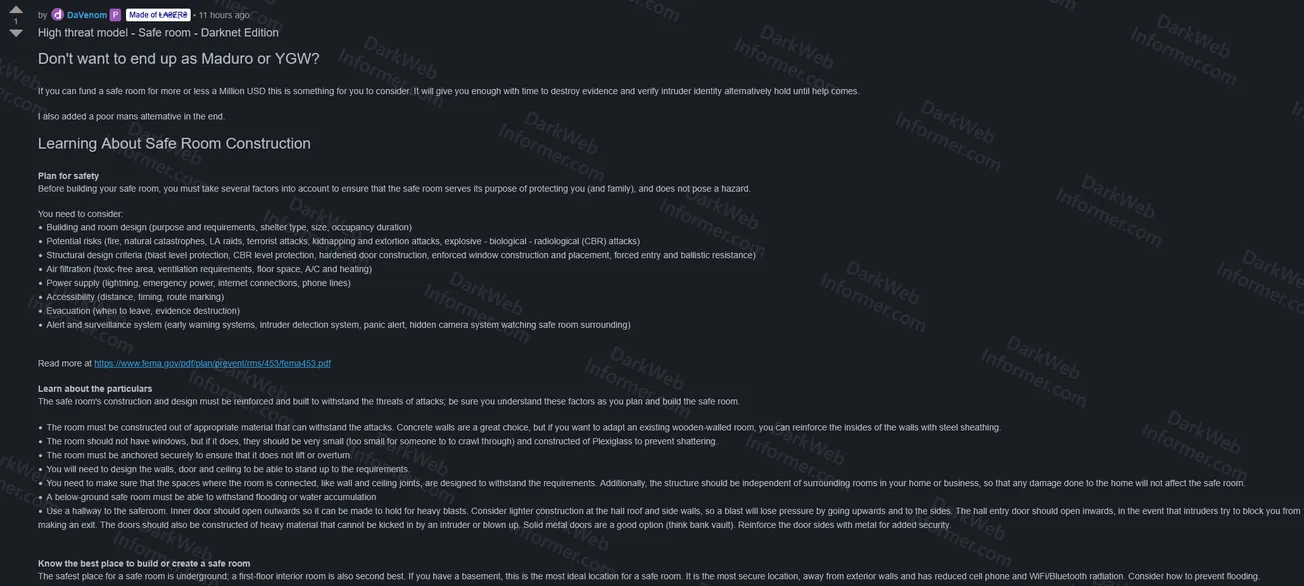
Most anti-kidnapping guides skip this entirely. For our audience, the digital layer may be just as critical as the physical one.
Automatically alerts contacts if you don't check in on schedule. If you're taken and can't reach your phone, your network knows within hours // not days. Services like deadmansswitch.net send pre-written emails to designated contacts on missed check-ins.
A secondary PIN that silently alerts a contact or wipes your device when entered. Establish a verbal duress word with your emergency contact // a word you'd never use naturally that signals you're under coercion.
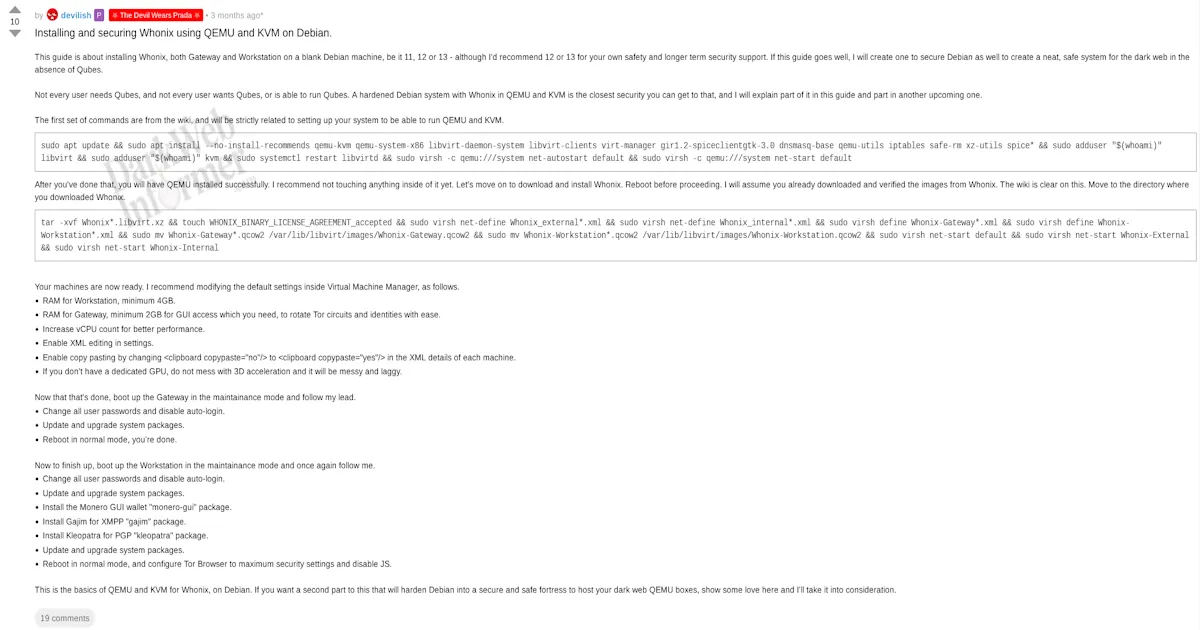
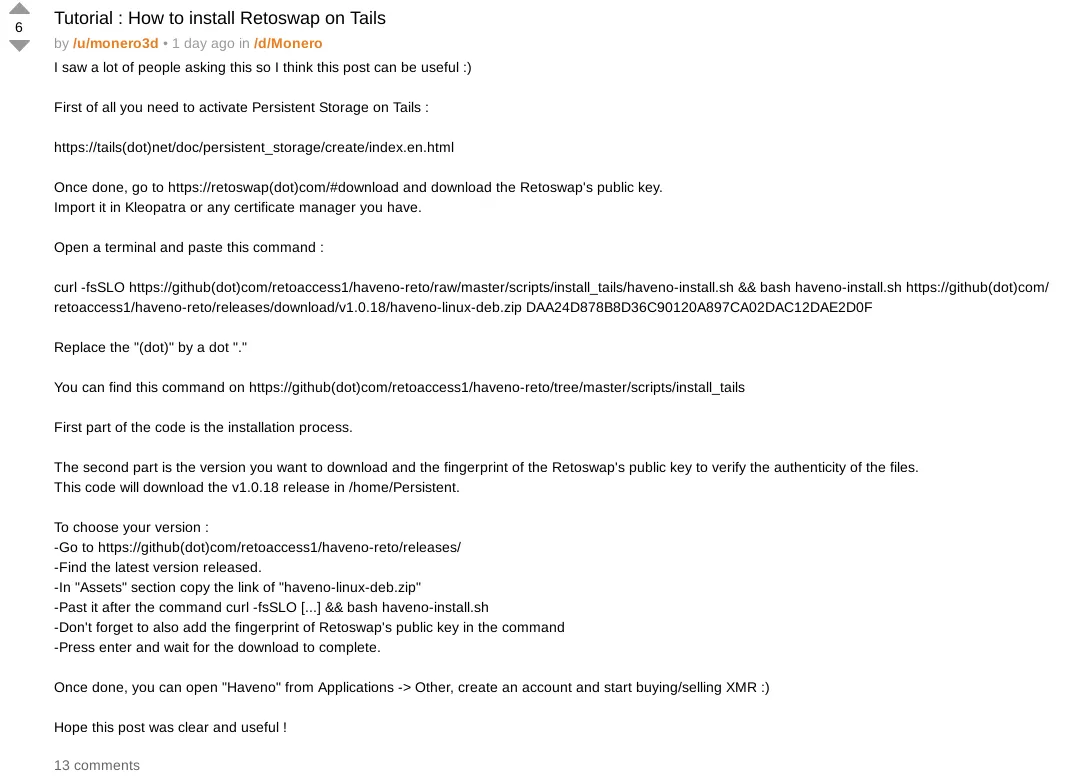
Signal (disappearing messages on), Briar for mesh communication without internet via Bluetooth/WiFi // effective if cellular is jammed or monitored. Wire as a team comms alternative.
Live location via Signal with a trusted contact. Covert GPS tracker (LandAirSea 54, AirTag in a hidden pocket) on your person. Establish explicit check-in windows: if I don't message by 21:00, escalate.
Encrypted USB drive with critical contacts, emergency protocols, and key documents // stored separately from all your devices. If everything is taken, you still have a fallback.
Maps.me or OsmAnd downloaded before departure. Usable without any cellular connection. Keep a dedicated device with full offline coverage for your travel region.
Pre-Travel OPSEC
The best anti-kidnapping kit is the one you never need. Good OPSEC before travel dramatically reduces your exposure:
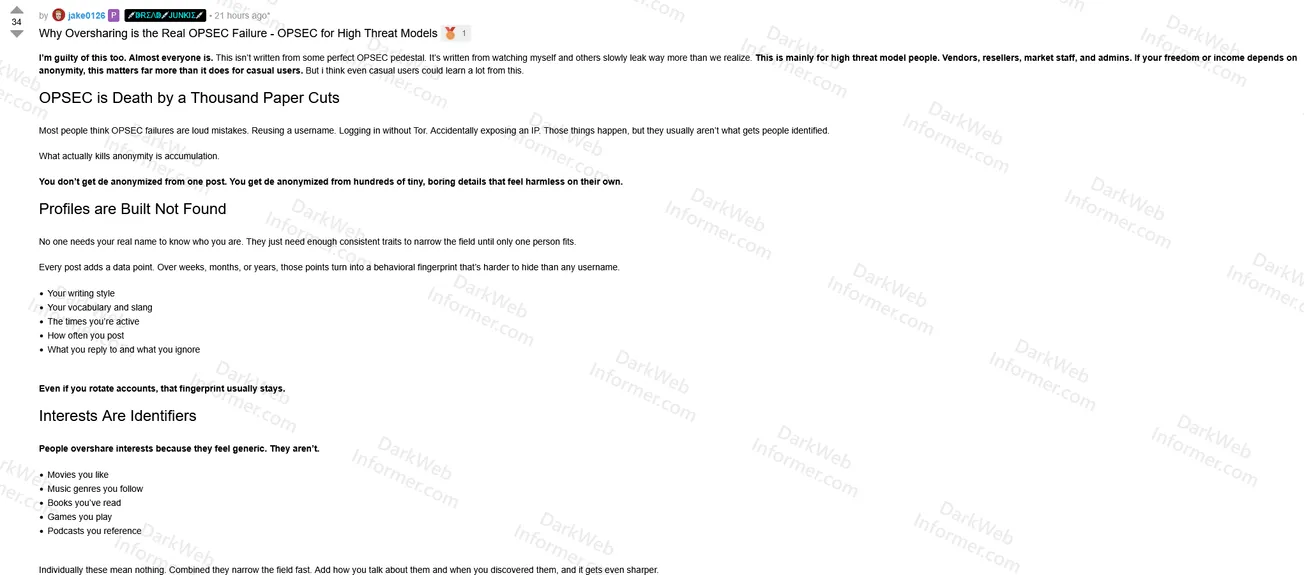
- Don't announce travel plans on social media // this applies especially to dates, locations, and who you're meeting
- Vary your routes and routines // predictability is the enemy. Same route, same time, every day means you're doing a kidnapper's planning for them.
- Research your destination's threat landscape // OSAC publishes country-specific security reports; STEP registers your travel with the nearest embassy
- Threat model your specific exposure // are you at risk because of who you are, what you're carrying, or where you're going? The answer shapes your preparation.
- Inform a trusted contact of your full itinerary // hotel address, meeting schedule, emergency contacts // before you leave
If You're Taken
This is a framework based on what crisis consultants and hostage negotiation professionals consistently say // not legal or tactical advice.
-
Establish your value alive. In most non-political kidnappings, the goal is ransom. Communicate calmly that your family or employer can pay. You're worth more unharmed.
-
Do not attempt escape immediately. The first 24 hours carry the highest risk of violence. Assess the situation before acting. Rushed escape attempts often escalate to lethal force.
-
Observe everything. Sounds, smells, distances traveled, languages spoken, number of captors. This information is critical to rescuers and negotiators.
-
Do not negotiate ransom yourself. Family or employers should contact a professional K&R consultant immediately, not engage directly. Untrained negotiation frequently escalates situations.
-
Comply with reasonable requests. Pride and resistance can be lethal. The goal is to survive until professional help arrives.
K&R Insurance & Training
For anyone operating in high-risk environments professionally, two resources are worth serious consideration:
Kidnap & Ransom Insurance
K&R insurance covers ransom payments, negotiation consultant fees, medical expenses, and legal costs. Major insurers // AIG, Hiscox, Chubb // all offer policies. For journalists or executives with regular high-risk travel, pricing it out is worth the conversation.
HEFAT Training
Hostile Environment and First Aid Training courses are designed for journalists, aid workers, and security professionals. They cover kidnap survival, trauma medicine, vehicle ambush response, and more.
Overseas Security Advisory Council // country-specific threat reports
U.S. State Dept // register your travel with the nearest embassy
K&R consulting, crisis response, and HEFAT training provider
Hostile environment training specialists // HEFAT and beyond
Mesh messaging // works without internet via Bluetooth/WiFi
Automated check-in and emergency alert service
An anti-kidnapping kit isn't about living in fear // it's about refusing to be unprepared. The people who need this information most are often the ones who underestimate their own exposure. If your work puts you in the public eye, makes you enemies, or takes you to places where the rule of law is inconsistent, this is worth your time.
// Stay safe out there.