An 81-year-old Melbourne woman who claimed she was unaware she was assisting her daughter’s dark web drug trafficking operation has failed in her bid to overturn her conviction.
Southsada Sananikone was sentenced to three months in jail in August last year after a jury found her guilty of a single charge of trafficking illicit drugs. The court found she played a role in mailing hundreds of drug-filled parcels across Victoria.
At sentencing, Judge Robyn Harper rejected Sananikone’s claim that she was “oblivious” to the criminal activity, instead finding she was “wilfully blind” to her daughter’s extensive drug trafficking enterprise.
Sananikone appealed her conviction to the Victorian Court of Appeal, arguing the jury had unreasonably dismissed her claim that she did not know the packages she handled contained illegal substances.
The court heard that over a five-week period in early 2022, Sananikone mailed 396 parcels on behalf of her daughter, Mimi Sananikone, 49, at various Australia Post outlets. Police intercepted 255 of the packages, each of which contained illicit drugs including methamphetamine, cocaine, MDMA, opium, testosterone and heroin.
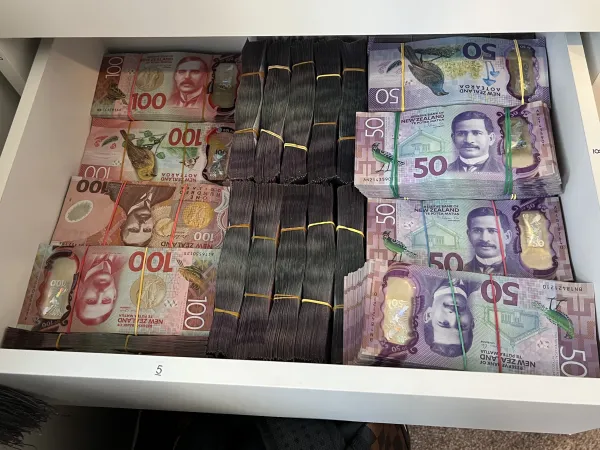
Both women were arrested on February 23, 2023, after police searched their Hughesdale home. Investigators uncovered approximately A$461,000 in cash, including $80,000 left openly on a coffee table, along with bulk quantities of drugs and packaging materials hidden throughout the property.

During a police interview conducted through a translator, Sananikone said she believed she was simply going to work as usual and had no knowledge of the packages’ contents.
“I just thought it was legal things. This is the kind of job I do. I work. I don’t know anything in there,” she said.
The court was told Mimi Sananikone operated legitimate businesses from the home, including the sale of tea, seaweed and fungi. Sananikone’s lawyers argued these activities provided an innocent explanation for her actions and maintained there was no forensic evidence directly linking her to the drugs. They also noted that Mimi Sananikone claimed she deliberately concealed her drug operation from her mother.
However, in a decision handed down this month, Justices Lesley Taylor, Rowena Orr and Peter Kidd unanimously dismissed the appeal, finding Sananikone’s guilt was the only reasonable conclusion available to the jury.
The judges pointed to the sheer volume of parcels mailed and the substantial cash holdings found at the home, concluding these factors supported a finding of drug trafficking.
“These matters in combination led to the conclusion that the applicant was, at the very least, aware that the significant commercial enterprise traded in illicit substances and that she was wilfully blind to the risk that the packages contained drugs of dependence,” the court ruled.
The judges also rejected the claim that the cash had been generated through legitimate sales, describing the suggestion as implausible.
“The jury was entitled to think that any suggestion that the applicant’s daughter had amassed in excess of $450,000 in cash from selling vast quantities of tea and fungi to family members and friends, and that the applicant could have believed this, was absurd,” they wrote.
Mimi Sananikone is currently serving an 18-year prison sentence after pleading guilty to drug trafficking, dealing in the proceeds of crime and possessing the identification information of others.